It’s no secret that Singapore can be a stressful place to live and grow up in, with heavily ingrained high societal standards to a fast-paced, and demanding lifestyle.
It also doesn’t help when things like inflation, global instability, and digital disruption are running rampant. Couple this with our “anxious” culture and you’ll get situations where 49% of locals are feeling the weight of job insecurity, this doesn’t bode well for our overall mental health.
But before you can even start to deal with it, you’ll first need to grasp some basic ideas about mental health. With that in mind, here’s the TDLR on understanding your mental health
Stress
It’s not always the cause, but a considerable number of mental health cases stem from prolonged feelings of stress. While it's totally normal to experience stress in your daily life, and can be useful in small doses, long term exposure to it can really hurt your physical, mental and emotional well-being.
For example, when your job becomes hectic and you have a ton of things on your plate, you start to feel the physical effects of this demand on your body. Despite its similarities with anxiety, stress is often measurable and identifiable, like a job interview or an examination.
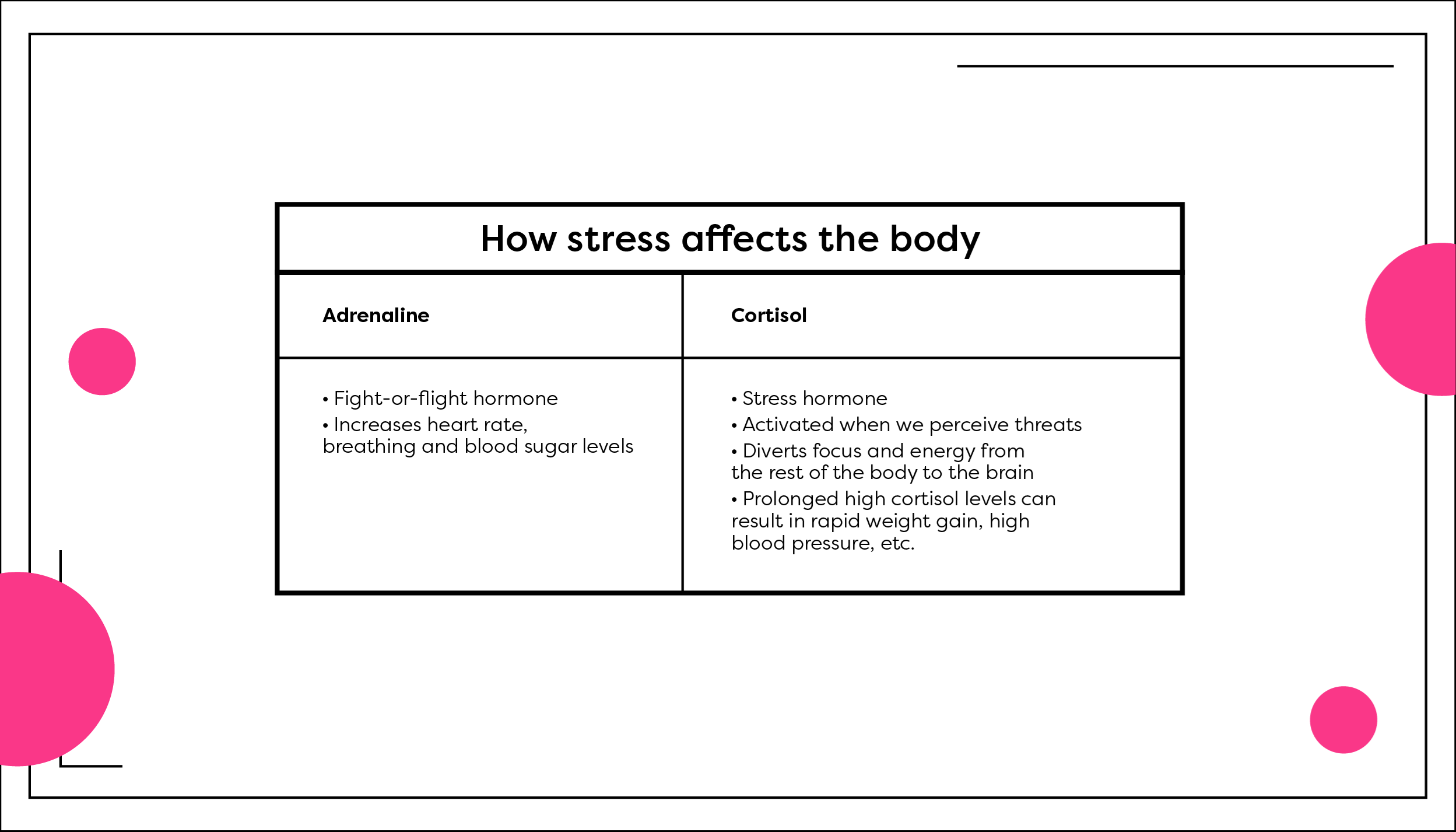
This stress can also manifest in physical ailments, from headaches and feelings of nausea to extreme cases like high blood pressure and stroke. This can end up kickstarting a negative cycle where those health issues induce further stress, which will take a toll on your health and quality of life.
Anxiety
If you’ve ever felt nervous and on-edge for no clear reason, you can blame anxiety for that. Defined as a looming sense of doom, anxiety can be hard to shake off.
Anyone who experiences anxiety is in a constant state of nervousness regardless of whether there’s any reason to be. It's a feeling that can’t be shaken or occurs regularly with short intermissions but doesn’t completely go away.
For example, if you invest a lot of time and effort into a job and tie your sense of abilities to your achievements at work, you might potentially experience anxiety if you get fired or your job stability is threatened. While its signs are comparable to stress, anxiety differs by being triggered by “irrational” sources at times, like phobias.
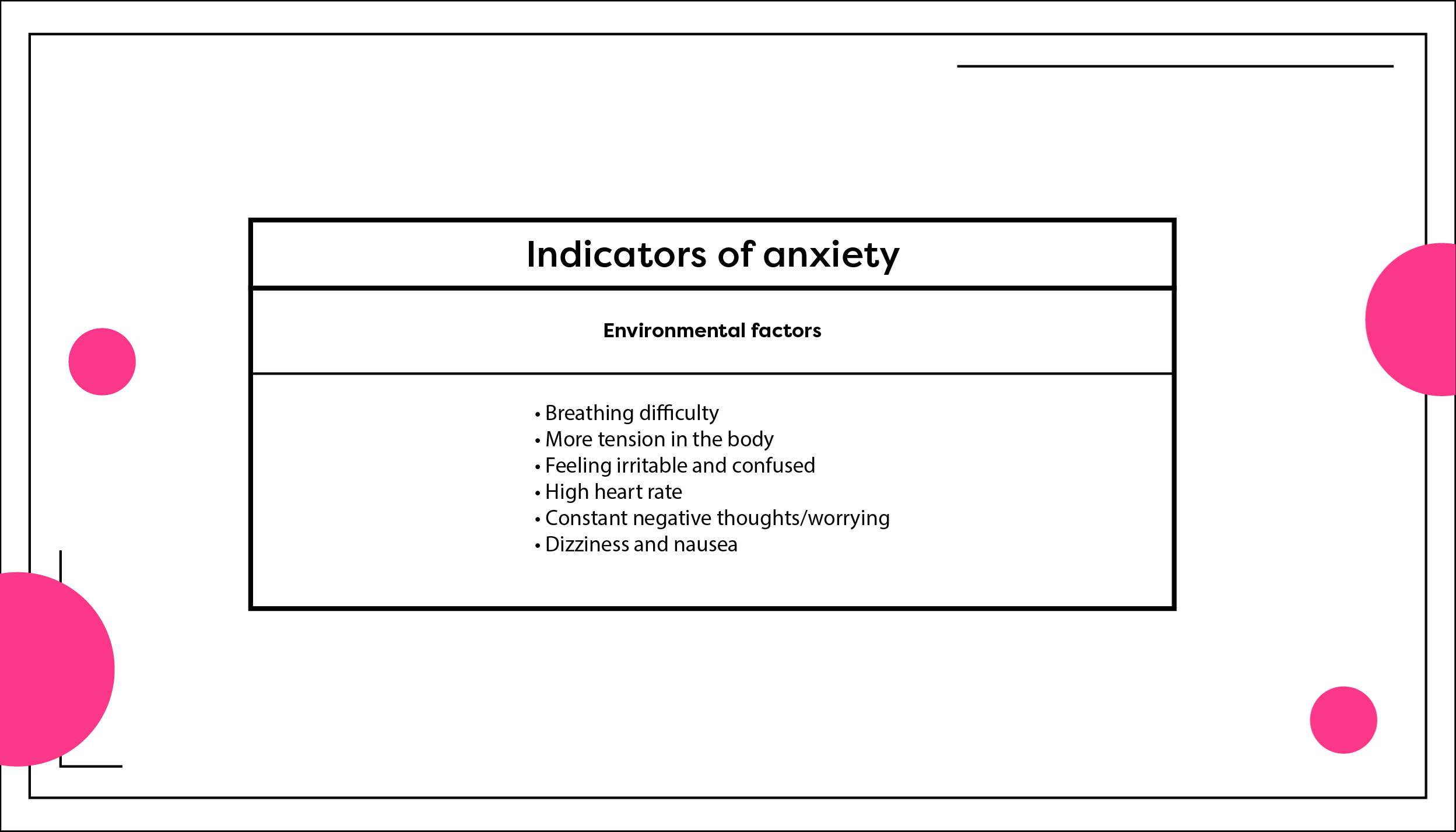
Don’t be mistaken though, it's normal to have some form of anxiety as it's an emotional response to anything that is considered a threat. However, if this feeling of anxiety stretches beyond a reasonable duration or occurs more frequently than usual, this could be a sign of generalised anxiety disorder (GAD) or panic disorder.
GAD, the least intense form of anxiety, is known for its excessive worrying, and may or may not have an identifiable cause of concern to draw from. Panic disorders on the other hand, are more serious and are characterised by short and intensive bouts of extreme fear that comes with a sudden increase in heart rate, breathlessness and a sense of impending doom.
Depression
In more severe scenarios, some people may spiral into a sense of despair and hopelessness that is synonymous with depression.
Often coming from a negative mindset and bitterness that sets in during periods of high stress, major depressive disorder (MDD) is incredibly disruptive to a person’s daily activities. Someone with MDD will experience a crippling sense of gloom that clouds the mind and may lead to feelings of insignificance and guilt, which can corrode a person’s ability to think clearly and concentrate.
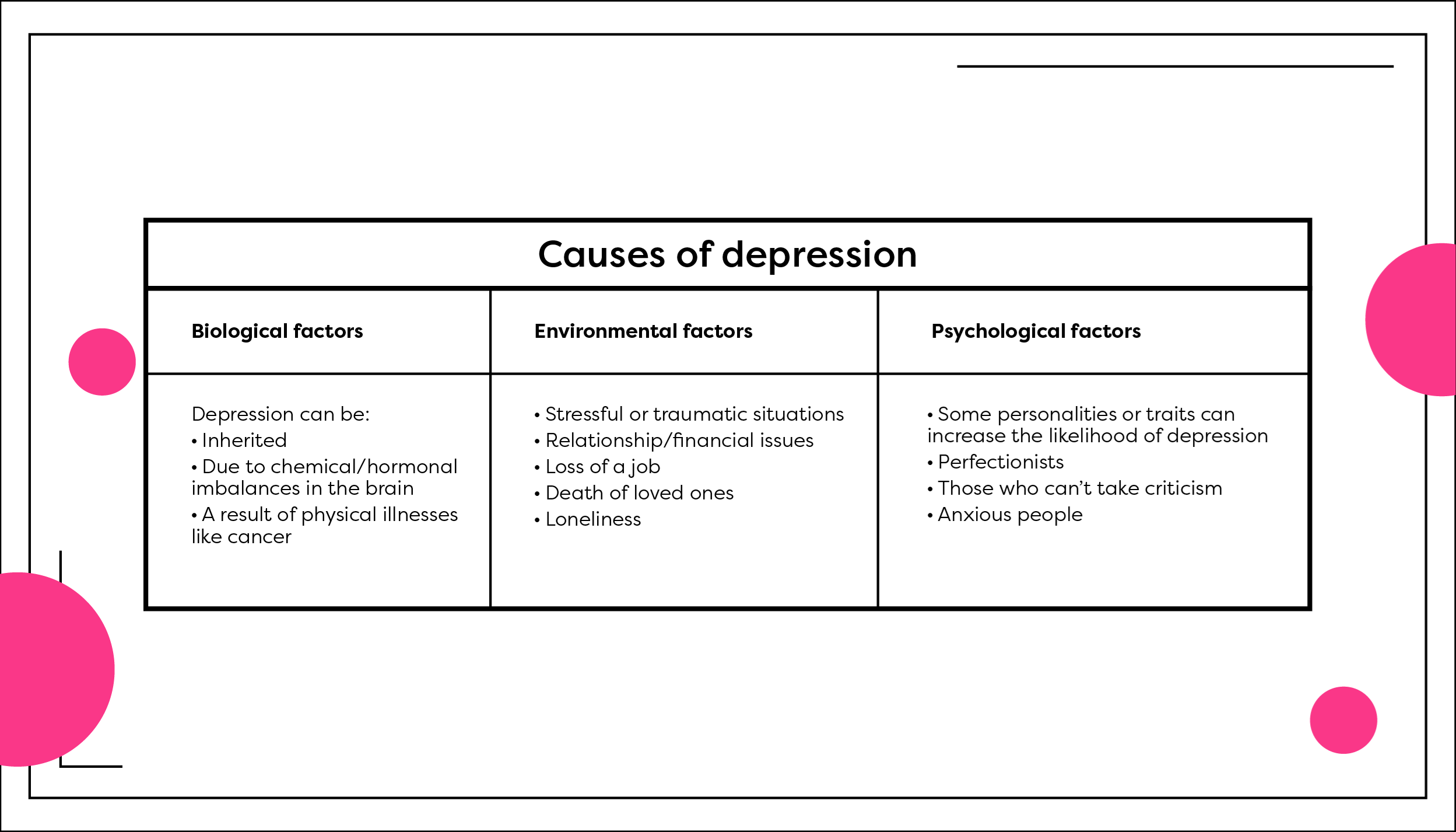
This also translates to things like a loss of appetite, interest in hobbies or pleasurable activities and insomnia, all of which can really affect a person’s standard of living. For instance, someone who is unable to make payments on his loans due to the loss of a job might lose his car or his home. These major and sudden changes might result in a depressive state, and subsequently affect his personal relationship with the people around him.
Perhaps the worst part about this illness is the fact that it’s common, with the World Health Organisation (WHO) reporting that about 280 million (3.8%) people in the world suffer from depression. They also recorded that it’s 50% more prevalent in women compared to men, and it's the fourth most common cause of death among people aged 15–29. This shows the potency and possibly lethal effects of depression.
Learning about mental health
We all know what to do when life tosses us lemons, but what if you’re on the receiving end of things like job insecurity, inflation, and other circumstances out of your control? It's stressful enough just to deal with one, now imagine if you’re in a situation where you have to take them all on. It would undoubtedly prove to be an incredibly overwhelming experience.
This is especially true for Singaporeans, who display what is commonly known as ‘kiasi’ behaviour, where they take preemptive actions to avoid losing or losing out on something. A competitive culture where losing is frowned upon combined with external stressors creates the perfect environment for stress to spawn into more serious mental health conditions.
Although it's a monumental challenge to tackle and it feels like a never-ending uphill battle, do remember that there are plenty of things that you can do on an individual level to manage these issues. If you’re not sure of where or how to start, you might want to check out some strategies we’ve picked out that might prove useful to you.