Having examined how our societal practices impact our mental health, and the different types of conditions that arise from stress, it's time to talk about how we can manage them on an individual level. It's important to note that in spite of its challenges, learning to manage your mental health during times of high stress is crucial to personal development and growth.
There will definitely be more hard times ahead in life. Knowing how to deal with your mental health issues you’re grappling with will not only keep you from drowning under the weight of these issues, but give you the confidence to make mistakes and learn from them.
Handling it like a G
Before we talk about any management tips, it's essential to point out that there are a lot of people who cope with mental health issues in unhealthy or even illegal ways. These include the overuse of substances like alcohol or drugs, and while alcohol is legal, consistent and excess consumption of both of them can lead to health issues like, liver disease, heart problems, and more.
It could also result in addiction, which is another problem that isn’t easily overcome and requires a great deal of effort to do so. Smoking and binge eating are also examples of people relying on an external source to momentarily relieve their stress, but they too, come with their own slew of physical and psychological consequences.
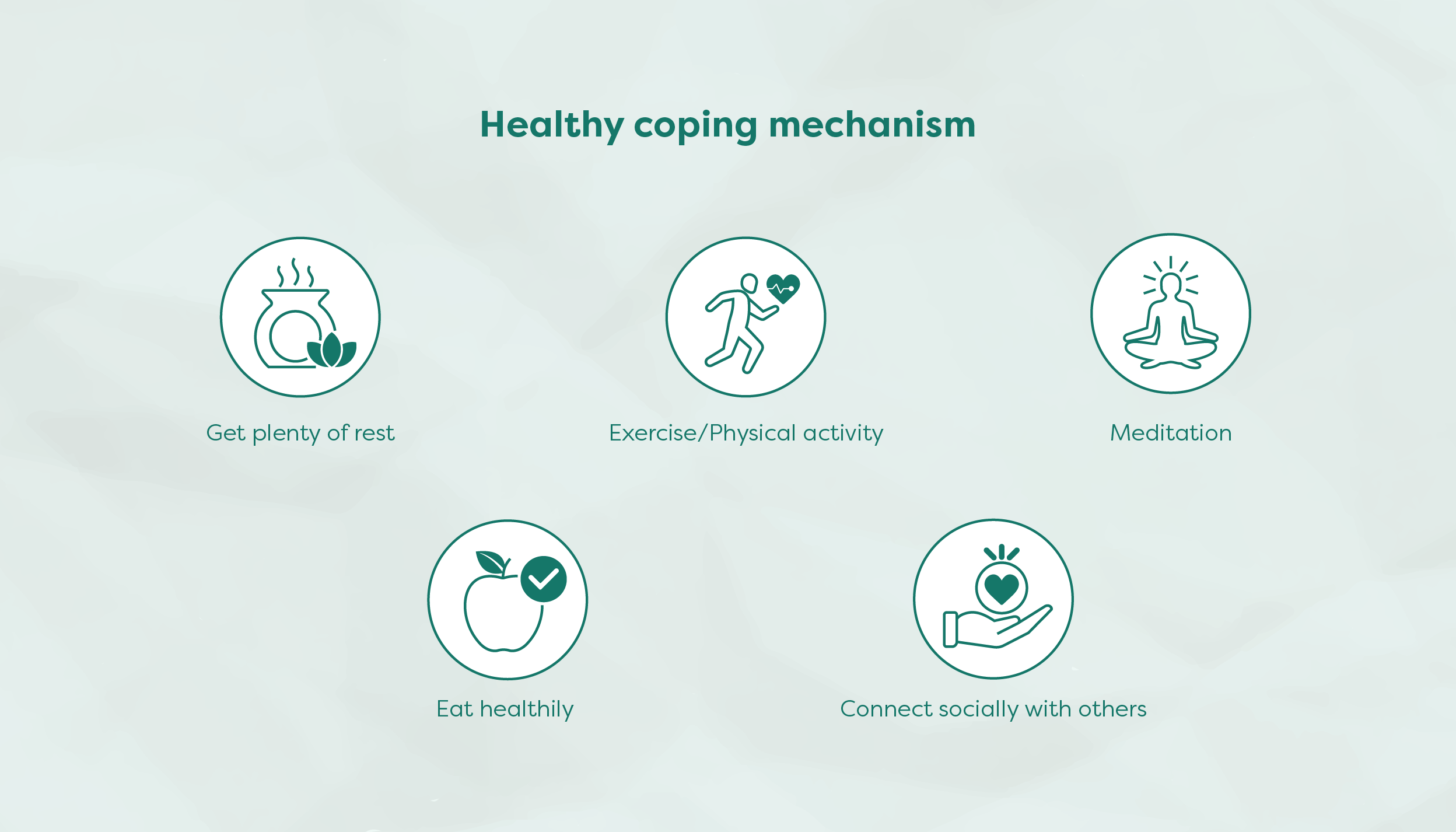
Ultimately, the main weaknesses of these methods are that they are not only detrimental to the health of those who indulge in them, but are temporary fixes that aren’t sustainable in the long run. The compounding effect of poor choices is why we need to tread carefully when discussing mental health coping strategies.
Stayin blessed and unstressed
It should be pretty clear that you can’t sidestep stress altogether. In fact, this could have the opposite effect you’re hoping for, and result in an unmotivating and sedentary lifestyle. But this doesn’t mean that you have to expose yourself to more stress than you can handle at one go, this is where things start to unravel.
For example, it's not uncommon in Singapore for people to take on multiple projects at work or even do 2 or 3 different jobs at a time, and while everybody is hustling, you might feel pressured to do so too. This is where learning what your limits are and saying “no” are critical. Everyone has different thresholds that they can withstand, and despite the importance of challenging yourself, stretching yourself way past your limit is guaranteed to stress you out unnecessarily.
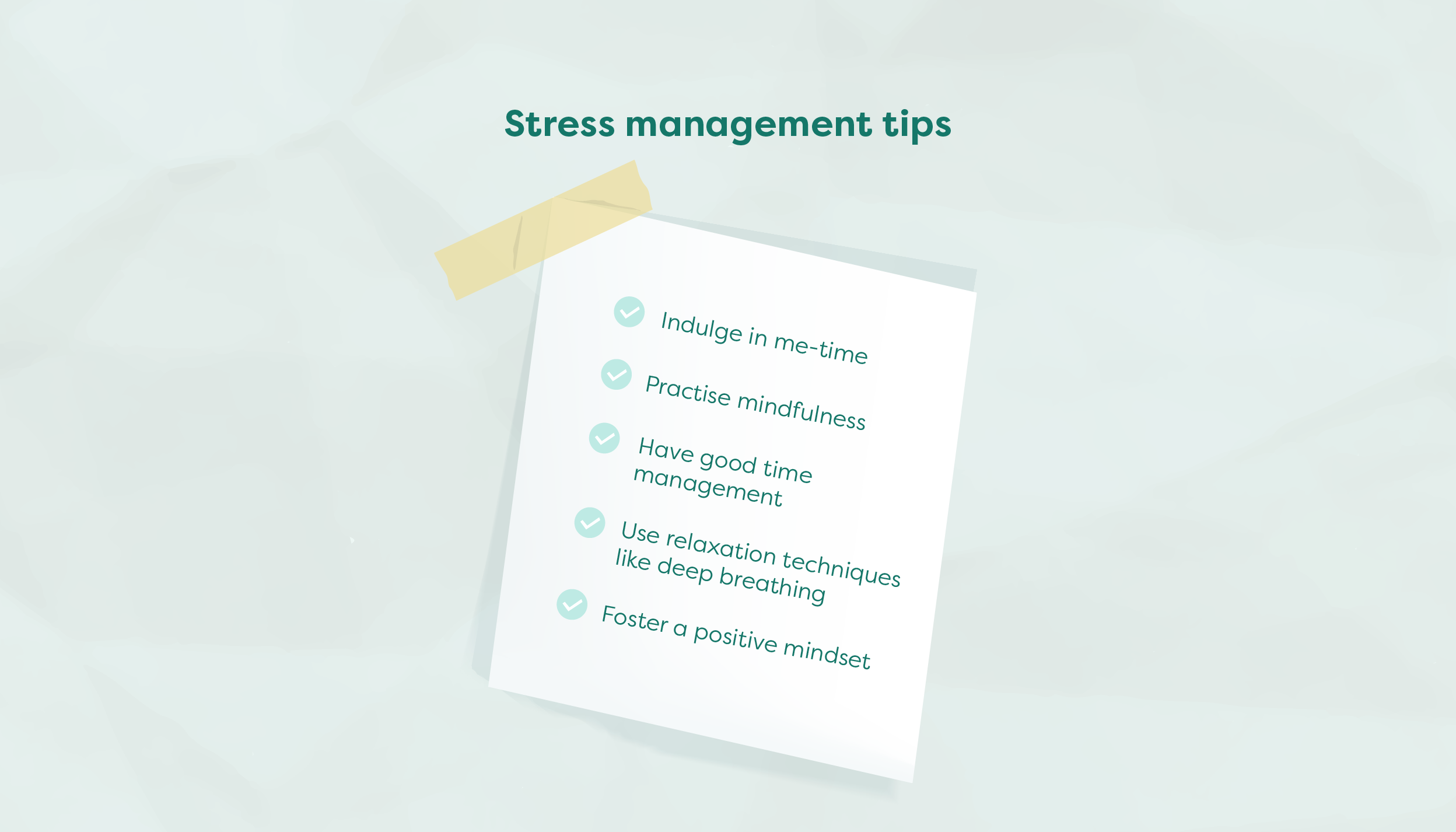
Other practices that are quite helpful include things like taking a different view on things since there will always be things that stress you out, like your shoes breaking apart on your way to work. Instead of fussing over the fact that it broke, why not take this chance to cop those new shoes you’ve had sitting in your shopping cart for awhile, and reward yourself for working hard at the same time.
You could also try finding balance between the many parts of your life. Working 23 hours a day is a recipe for stress, and with everything going on and being as hectic as it already is, it's essential to find ways to unwind. So don’t hesitate to go for that post work yoga class, hang out with your friends, treat yourself to a nice dinner, or even just spend time with your family. After all, all work and no play makes life very dull indeed.
Addressing anxiety
Although stress regulation may not be the most straightforward thing to some, it's fair to say that handling anxiety might prove to be trickier overall. Stress can impair your judgement and your thought processes, but anxiety takes this up a notch by throwing in acute and immediate physical symptoms like shortness of breath and restlessness into the mix.
As mentioned before, anxiety can happen with or without a clear trigger point, so that makes it harder to identify the source and remedy it. If you are able to identify your triggers and the physiological reactions that come with it, note this down in as great of detail as you can. The more you understand about what can set you off, the better you’ll be at either avoiding these stimuli or predicting and managing anxiety attacks before they set in.
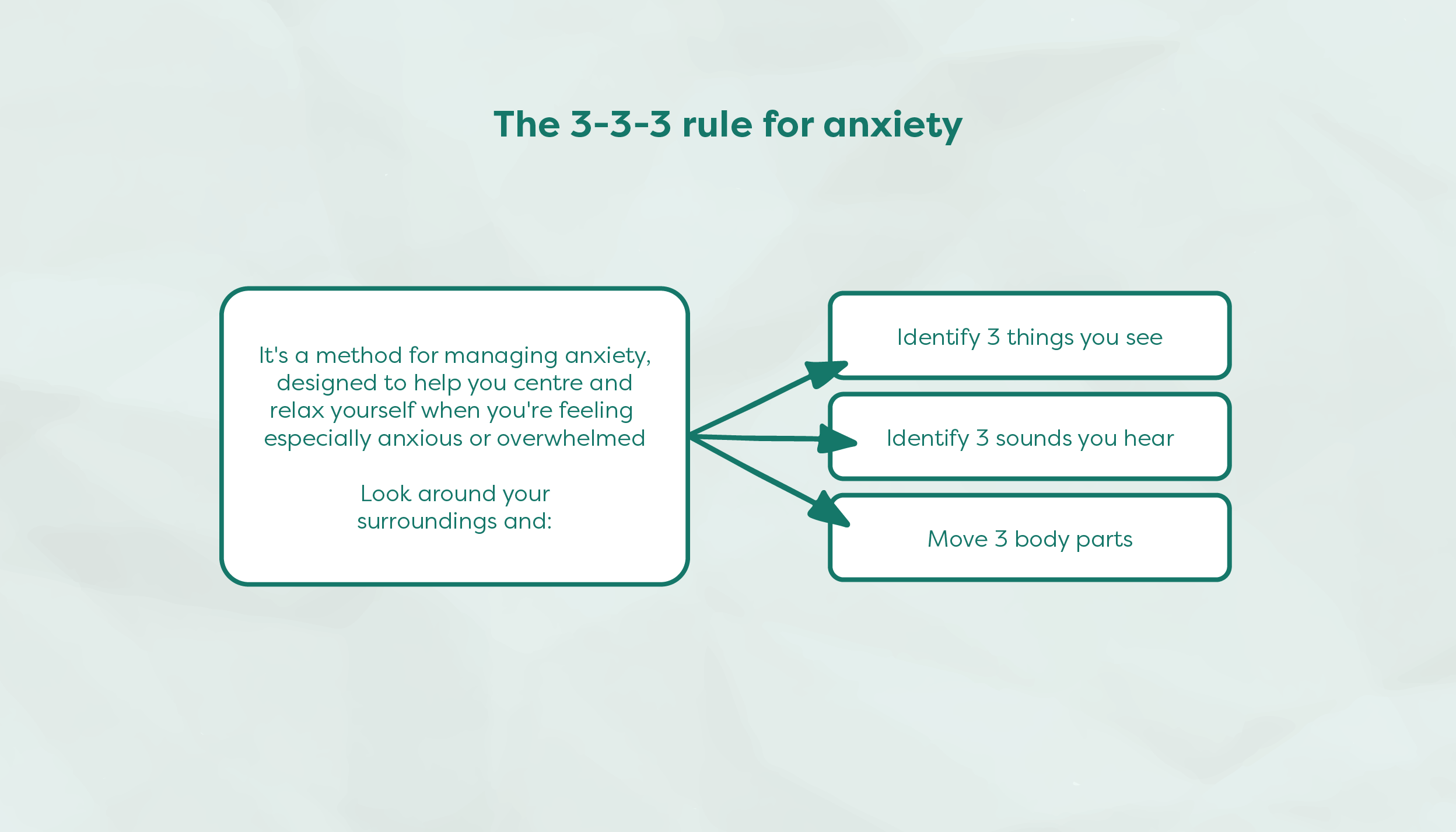
If you’re not able to figure out what causes you to feel this way, here are some tips to help address anxiety attacks at the moment. Firstly, make use of breathing exercises to help lower your heart rate and calm you down. The most popular of techniques is the 4-7-8 method, where you breathe in for 4 seconds, hold for 7 seconds, and then breathe out for 8 seconds.
Secondly, you can distract yourself. For example, instead of focusing on a work project that’s driving you up a wall, try diverting your attention away from it by doing something else instead, like go for a walk, or listen to music. This will help take the edge off the episode when it happens.
Lastly, you can dabble in aromatherapy, like essential oils, candles or natural scents. According to research, they can reduce both state and trait anxiety due to their soothing and calming nature, so don’t forget to pack essential oil sniffers.
Dealing with depression
Similarly, depression is a much tougher issue to tackle as compared to stress, and the first thing to do is to identify the source of depression, which can be a complex thing to do. Aside from the most common causes like stressful life events, there are also other external factors that can impact a person’s mood.
These include the loneliness a person feels from social isolation, distress due to chronic or terminal life illnesses, and even personality types. For example, perfectionists and those who have high levels of neuroticism are more likely to fall into depression due to their exacting and uncompromising nature.
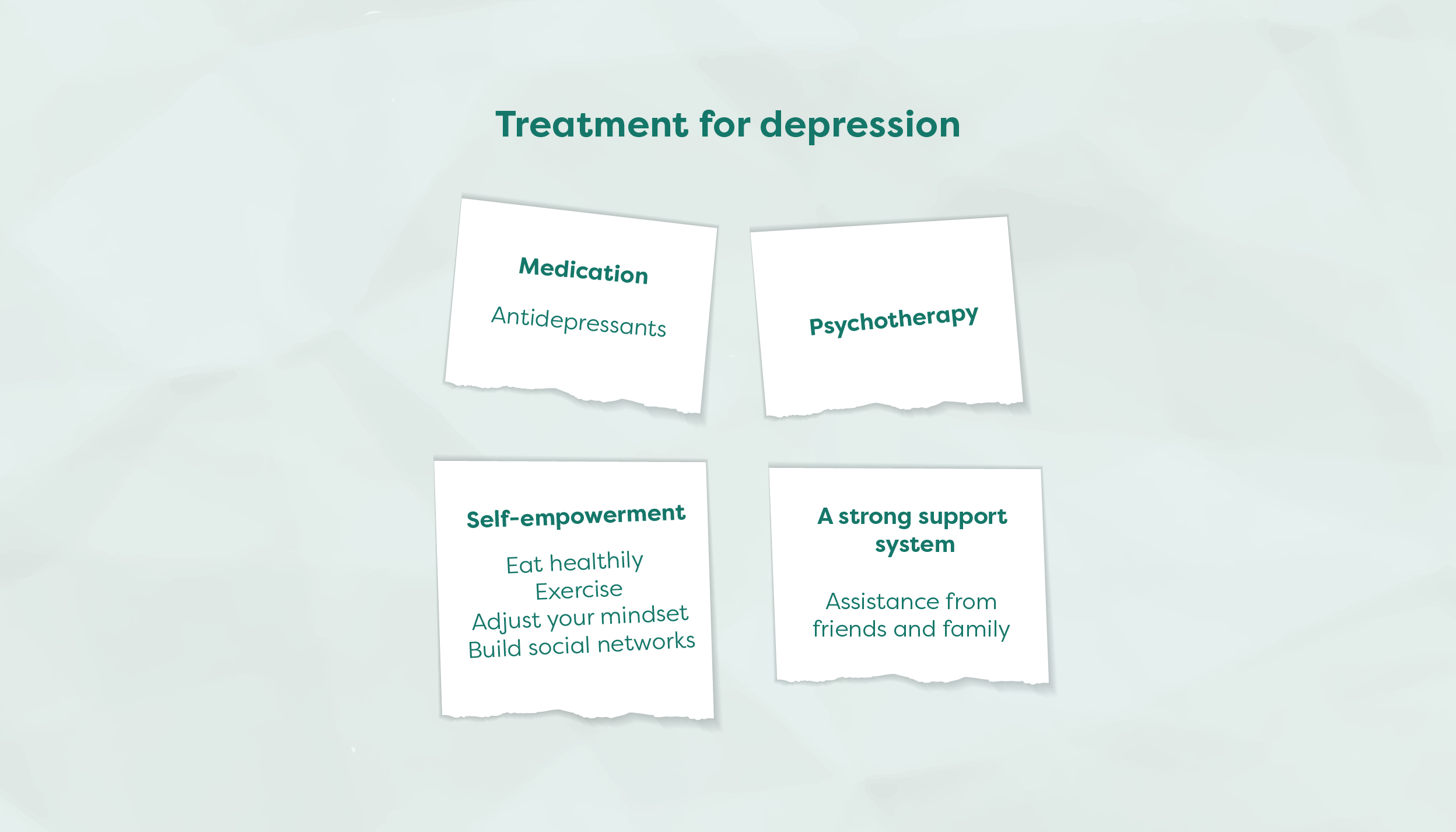
While external factors might be more visible and therefore easier to spot, there are some more peculiar ones, like genetics or chemical imbalances in the brain that aren’t as clear. More often than not, it's a combination of several factors that eventually pushes a person into depression, however, the good news is that it’s treatable with medication, lifestyle changes and a shift in your outlook of things.
For instance, rather than repeatedly beating yourself up over the fact that you weren’t able to secure a job that you really want, why not see this gives you the opportunity to try something else. By adjusting your perspective, you can really change the way you view situations, which in turn, will help you to mediate your mindset and mood accordingly.
Managing your mental health
It’s no secret that mental health issues are on the rise, especially with a ton of factors like inflation and job insecurity affecting our lives. However, that’s not to say that you are completely helpless in this situation. There are many ways to manage stressors before they develop into more serious issues, and if you’re already struggling with these issues, you still have time to make changes and get your life back on track.
You should also keep in mind that you don’t have to face this issue alone. Chances are, you’re not the only one in this boat, and it really helps if you have someone to reach out to and talk about the problems you face.
You might even consider making use of the many resources available for you to seek out like the Mental Health Helpline and counselling services. If you’re not too keen to interact with people, you could make use of virtual aids like the MindSG app and Mindline.sg, both of which have plenty of information on how to deal with mental health issues that you’re facing.
Just remember that when it comes to strategies to foster better mental health, each person is different, so keep an open mind and try to find the right management strategies for you. This way, not only will you be slaying your future challenges but any negativity that comes your way. Purr kween.