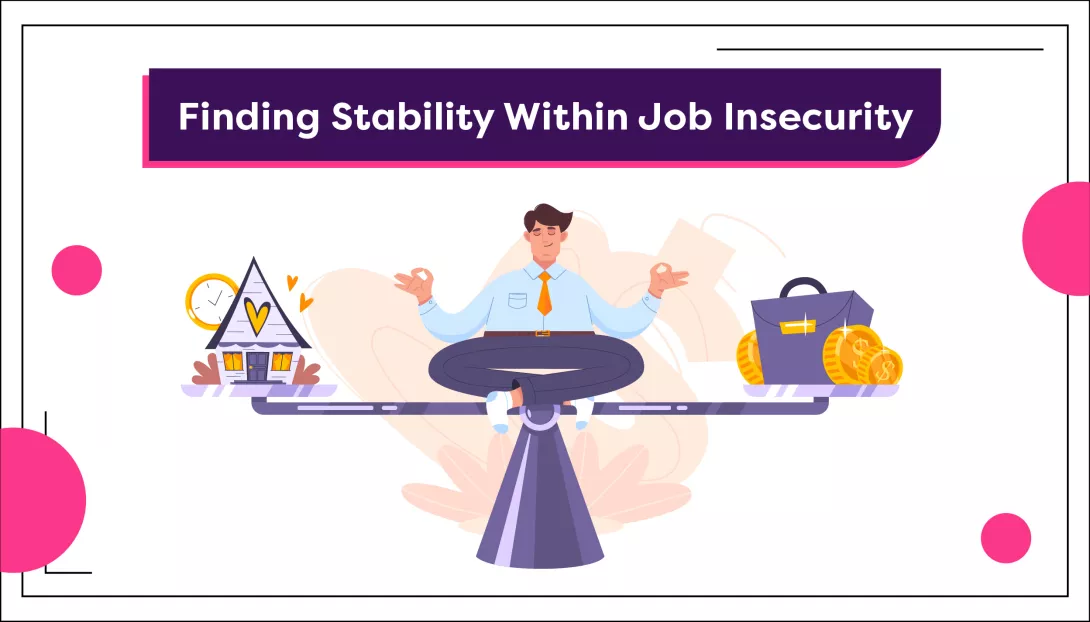
The plight of job insecurity is a legitimate worry, especially when words like retrenchment, company restructuring, outsourcing and automation are becoming more common. Moreover, with the introduction of digital disruptors like AI platforms, globalisation and economic volatility, everything’s being shaken up, and all industries are feeling the effects of this.
As a result, organisations, both big and small, are embracing the idea of rightsizing - the act of revamping the company across a period of time to meet new targets and improve efficiency. This is often in response to a change of strategy, direction and/or business objectives, and usually involves trimming existing staff, restructuring managerial teams, and recruiting new hires.
On the other hand, other corporations have chosen to downsize, where the aim is to reduce staff numbers to lower expenses and sustain profitability. Either way, the notion of a stable, long-term employment is being challenged as new changes within industries are implemented, and new sectors spawn.
This, then, is rightfully an anxious time for professionals, especially those aged 25 to 34, with 41.9% of them feeling the most susceptible at their jobs compared to other age brackets. But at the same time, there’s also a silver lining to be found.
If you’re able to establish some kind of stability amidst all the chaos, you can not only reduce the emotional stress from it all, but also learn key skills that would benefit both your personal and professional life.
Secure your financial future
This might sound like a line that your secondary school friend-turned-financial-advisor drops on you in hopes that you become their next client, it's not just a marketing catchphrase. Finances are a big part of why we work and the ability to safeguard a steady stream of income is essential to our livelihood.
However, this can be an issue when job insecurity comes into play, especially if you’re not sure if you’re guaranteed your next paycheck. With bills to pay and inflation making things pricier than ever, it's best to have some kind of backup plan in case things don’t go your way.
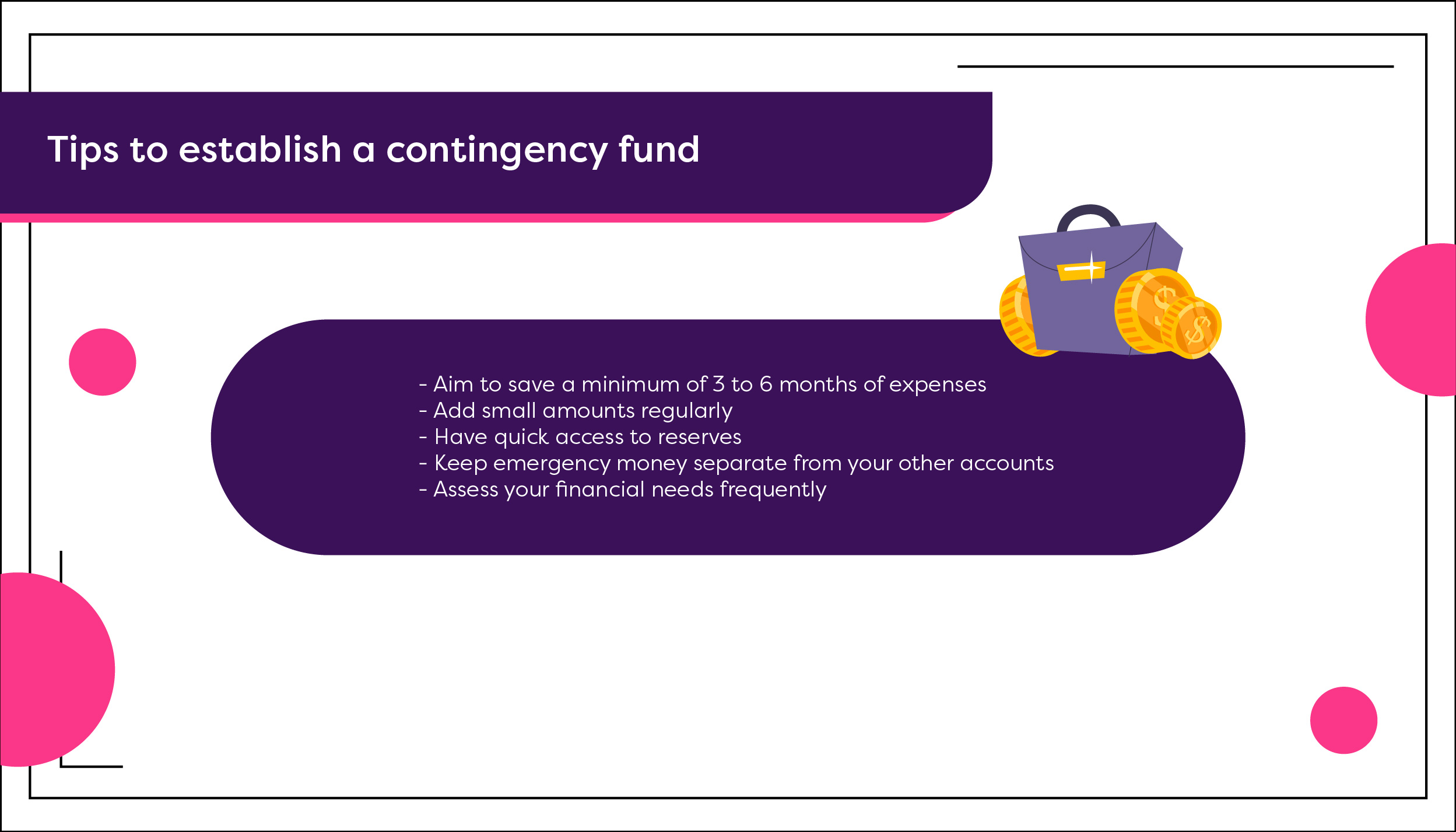
This can come in many forms, such as investments, savings plans, high interest deposit accounts and more. It can even be as simple and as low-tech as stuffing a few rolls of fifties under your mattress or into an old Khong Guan biscuit tin. Regardless of how you do it, the idea is to have some money stashed away for a rainy day, like when your job is in jeopardy, and to be able to count on having some kind of reserves to tide you over when you’re in need of it.
The best part is that there’s no need to make any major or drastic changes to your current lifestyle. All you have to do is set aside any amount you feel comfortable with every month, and eventually, your reserves will grow. It's important to keep in mind that there’s never such a thing as too much savings, so do remember to stash your monthly contributions early before smashing that ‘Buy’ button on your Shopee app.
Embrace upskilling opportunities
It's no secret that employers are always looking for the cream of the crop when it comes to staff. Top talents have much to offer management and the environment of the workplace, both in terms of their technical and soft skills.
This not only gives bosses the flexibility to assign them to a variety of roles due to their versatility, but also gives them confidence that they have the capability to do it well. But how do you keep up with the latest changes, especially in dynamic industries like the FMCG sector?
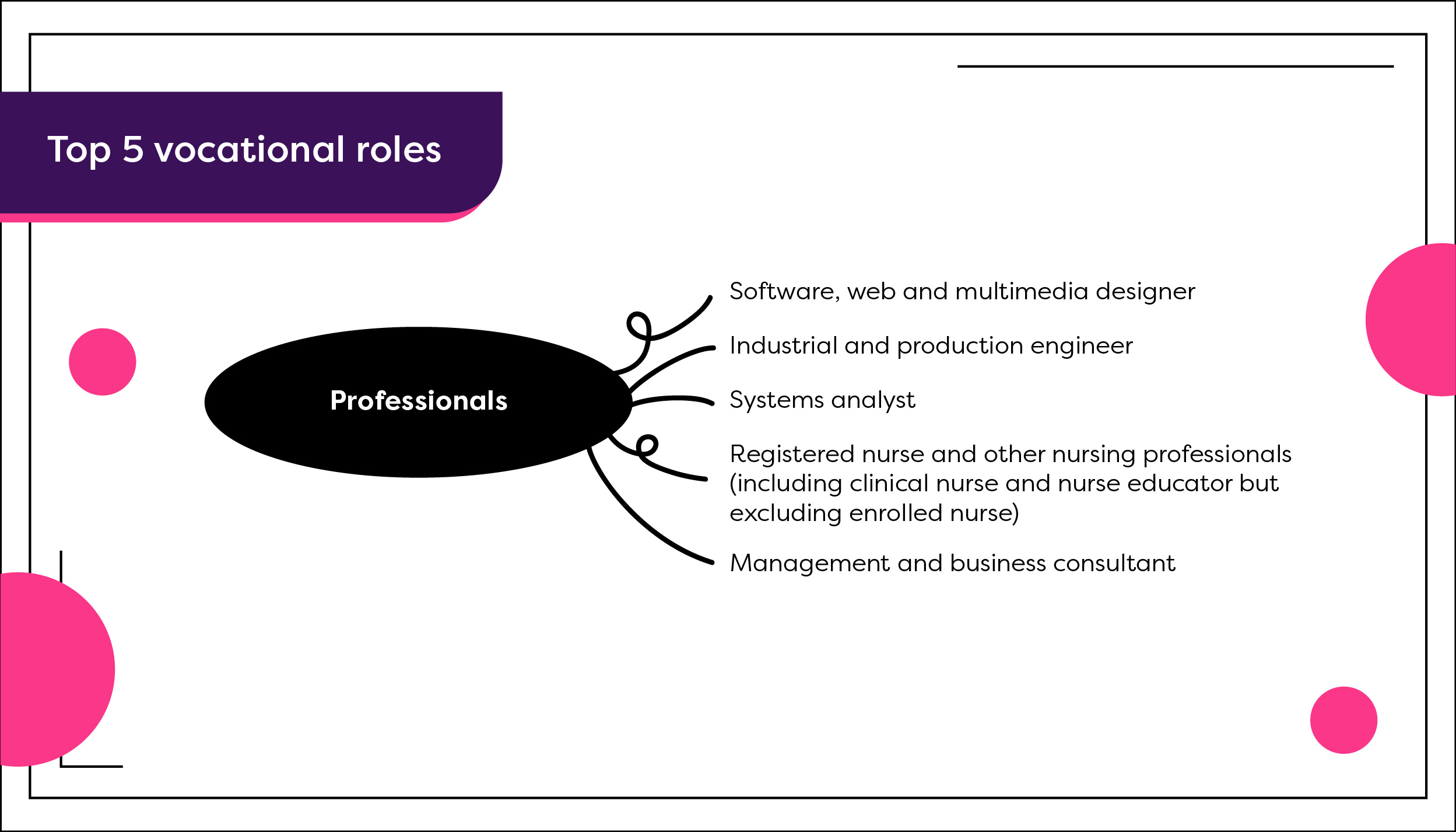
While staying updated is crucial, it’s often time-consuming, especially when there’s so much new information out there. So instead, try looking out for large waves of trends and hone in on skills related to them, which gives you the freedom to choose what you would want to learn and allows you to round out your abilities holistically.
For example, with AI being all the rage these days in just about every industry, it ‘d make sense to pick up some AI-related skills, like coding or UI/UX design, even if it seems unrelated to your job. While it may not be beneficial to your immediate role, you can still market yourself as a versatile employee willing to adapt to the needs of the organisation and grow their skills accordingly. In turn, your employer will likely consider you more valuable and thus more willing to keep you onboard.
This isn’t just limited to those who are currently employed. If you’re already on the lookout for a new job, you can make use of the downtime to bolster your capabilities. Not only is this a productive use of your time, but also puts you in good stead to secure a similar or better job when you’re ready to re-enter the market, with a refreshed resume fully stocked with relevant skills.
Leverage your networks
You might have plenty of followers on your Instagram, and maybe even more on your TikTok account, but how many connections do you have on LinkedIn? If the answer is not many, now’s probably a good time to dust it off from the corner of your social media folder and start using it again.
Created as a networking platform for professionals, LinkedIn’s prevalence and popularity proves that in order to do well in the world today, networking is key. This is certainly the case when it comes to job insecurity, where you might be in need of the resources that other people have access to.
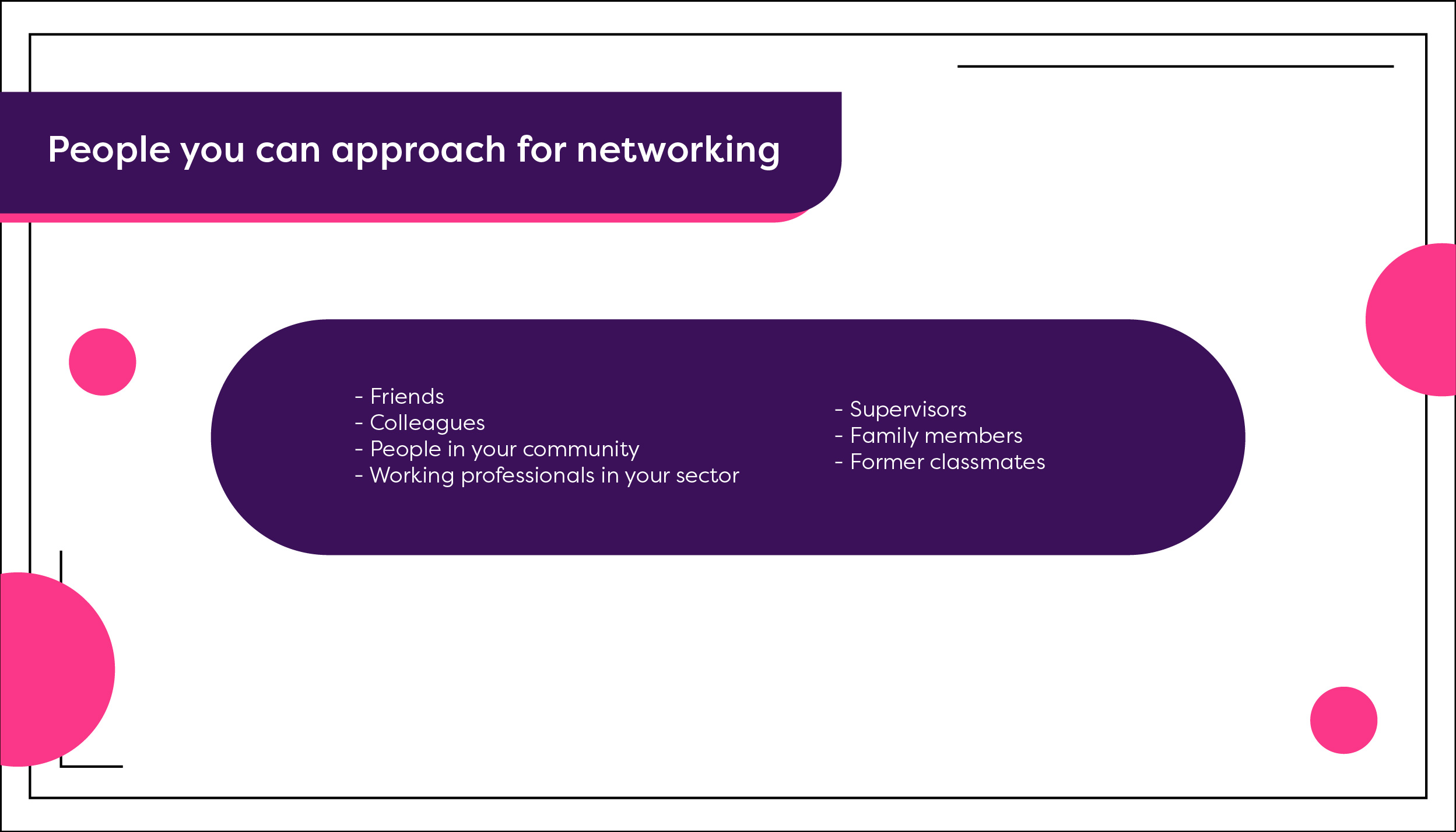
Having a strong network of business contacts will allow you to keep up with new developments, and potential job leads you might not find on your own. In addition, it can also provide additional industry insights, such as what potential employers are looking out for and tips on how to further advance your career. All of which can save you a lot of valuable time, help you sidestep common mistakes that others make and learn from the experience of others.
The best part about networking is that it can be done in a multitude of ways, from in-person meetings at career fairs to conferences and conventions. If you’re more introverted, you can keep your efforts entirely online.
As previously mentioned, LinkedIn is a great platform for you to connect with people from all walks of life. The site is basically Facebook in a suit, geared towards a corporate setting and allows you to communicate directly with people, create content, look at job listings and more.
So if you have time to send memes to your friends over Instagram, you can certainly take some time to engage with the people there to help build your own professional network.
Ask for help
In spite of everything you might be doing to cope with job insecurity, it can still be a little tough to handle on your own. In fact, a lot of the issues that arise from this are rooted in stress and anxiety, both of which can be potentially detrimental if you let it build up for too long.
By letting it fester, these emotions can negatively impact your professional life, with ramifications like exhaustion, dissatisfaction, and decreased efficiency plaguing your efforts at work. It’s not just limited to your job, either; your health can also take a hit, such as having an increased risk of cardiovascular problems, severe headaches and insomnia.

This is where support systems come into play. Whether it’s a friend looking out for possible job openings, or a family member floating you some cash until you’ve secured a job, there are many people in your life who are willing to help if you just simply reach out to them. Alternatively, you could also approach professionals like headhunters and career coaches to help guide you through this tumultuous phase of your life.
There’s nothing wrong with wanting to be self-reliant, but remember that there’s no shame in asking for help when you need it, so don’t be afraid to reach out!
Managing job insecurity effectively
Job insecurity is never fun to deal with, and the physical and emotional distress that comes from such an ordeal can be a challenge to work through. But while that might be out of your control, there are still things you can do to safeguard yourself.
By adopting these strategies early and laying a strong foundation, you’ll not only have a safety net to fall back on, you’ll also be setting yourself up for future success by fostering opportunities that could materialise into a job if you need one.
Just remember that this hardship doesn’t spell the end of your professional career, nor is it a reflection of your abilities. Rather, you should see it as a chance to begin anew and harness your capabilities to create something new and better, So go forth and manifest the best for yourself!