
Sometimes, life doesn’t go the way you want it to. Maybe you got rejected for a job position you’ve been aiming for, a project you’ve been a part of got scrapped, or you got passed over for a promotion. Despite everything, all that hard work and effort didn’t pay off, and now you’re left feeling frustrated, angry or just plain sad about it all.
Big or small, we’ve all experienced our fair share of disappointments, and unfortunately, that’s just part of life. As such, knowing how to deal with disappointment in your career is all the more valuable if you want to be able to weather through those tough times gracefully.
The silver lining
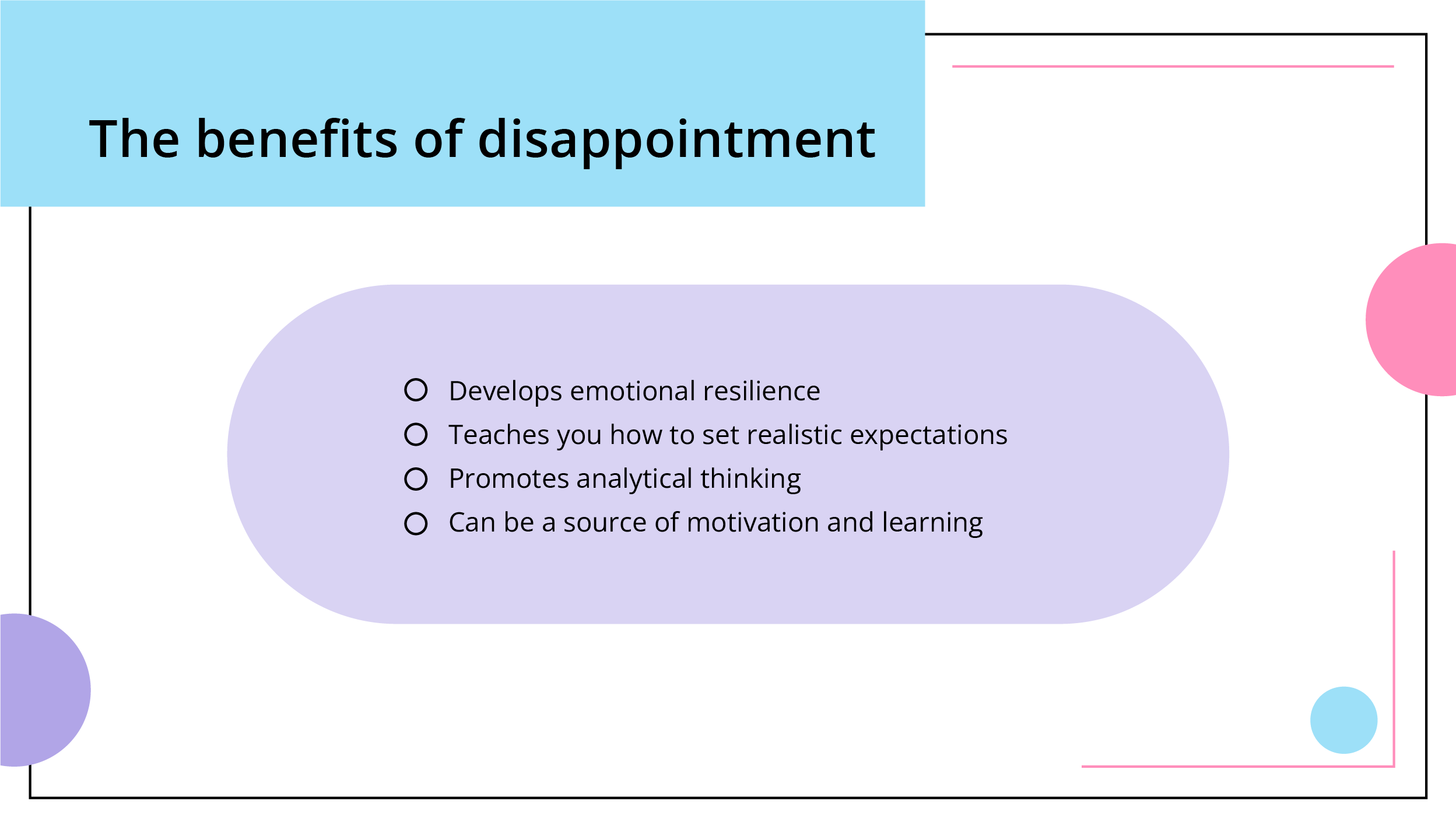
While it can be an unpleasant experience, it doesn’t mean that disappointment is something that should be avoided entirely (nor is it possible to, anyway). In fact, contrary to what most might think, it shouldn’t be taken purely as a negative experience. With the right mindset and approach, you’ll be able to approach the current situation with not just a more rational mind, but view the whole thing as a learning experience.
By being able to process disappointment in a healthy way, it can play a significant role in emotional development. This in turn can help you grow, not just in your professional career, but your personal life as well.
Bouncing back
But to even start on that, you’ll need to not only know how to change up your mindsets and learn how to manage disappointment constructively. Here are a few strategies you can use to help you through the process:
Your feelings are valid
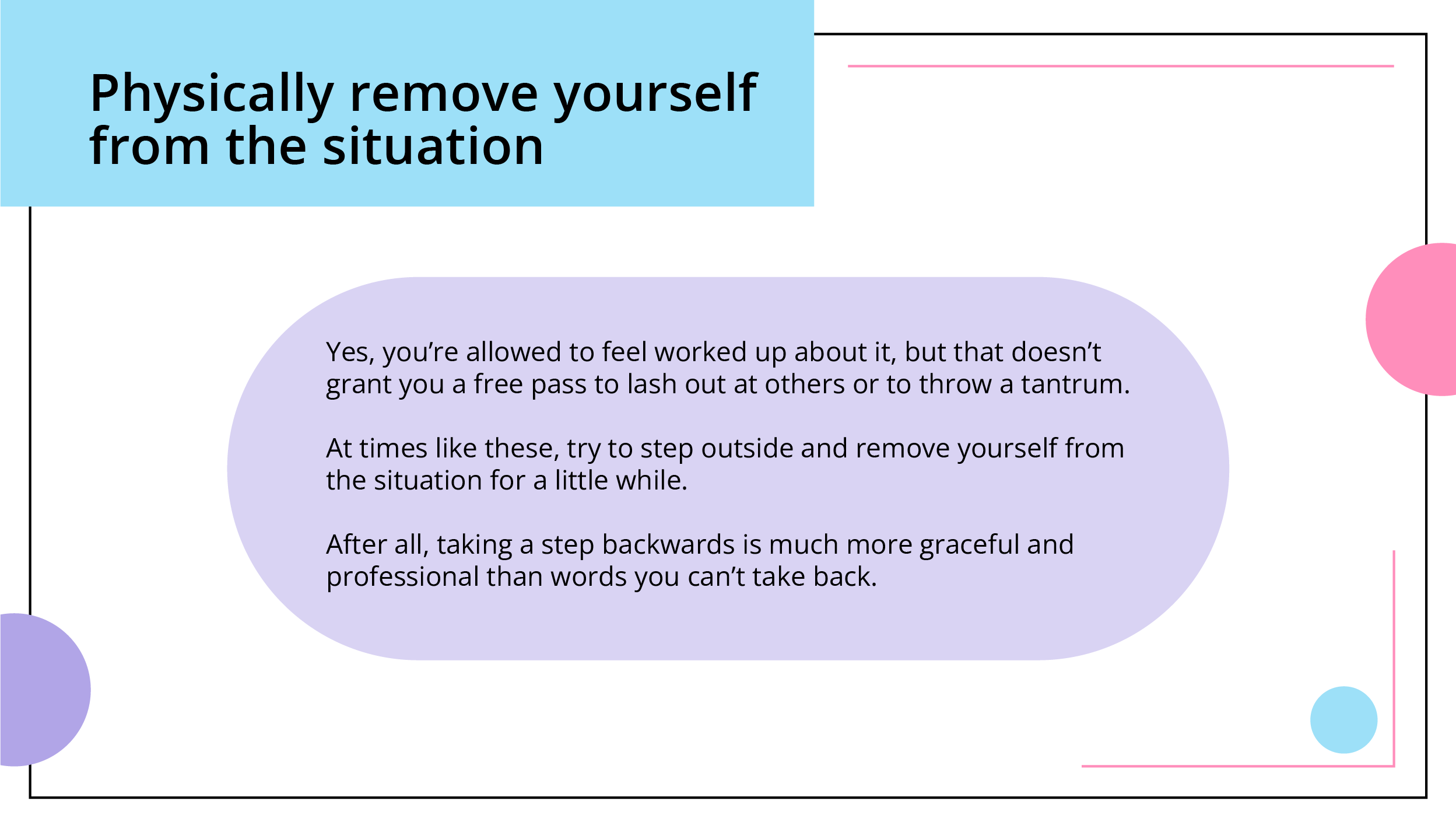
The first step before anything else is to acknowledge the fact that you’re feeling let down in the first place. After all, even if you want to pretend that it didn’t happen, it doesn’t change reality. Plus, research has found that refusing to acknowledge your emotions can actually make you feel more stressed, leaving you feeling stuck and unable to move forward.
Take some time to reflect
Once you’ve processed your emotions, the next step is to look back on what happened and why it let you down. Here are some questions you can ask yourself along the way:
- What exactly am I disappointed about? What was I hoping would happen instead?
- What about this is important to me?
- Is there anything I can learn from this situation?
- Do I still want to pursue the outcome? Should I change my approach to it?
During this process, it may also help to try and see things from another perspective, such as the other party. For example, you might be feeling upset that you lost out on a promotion you wanted. Take a long hard look at the situation and try to step into your supervisor’s shoes.
Perhaps you lacked the experience and expertise required for it, or there was just someone more viable. The more you’re able to uncover why you’re feeling disappointed, the better you’ll be able to deal with it and plan ahead for what comes next.
Let it go and move forward
Throughout this process, you might’ve lingered on the ‘what-ifs’. If only if you’d worked a little harder, answered more promptly or if you were luckier, maybe you could’ve gotten the outcome you wanted.
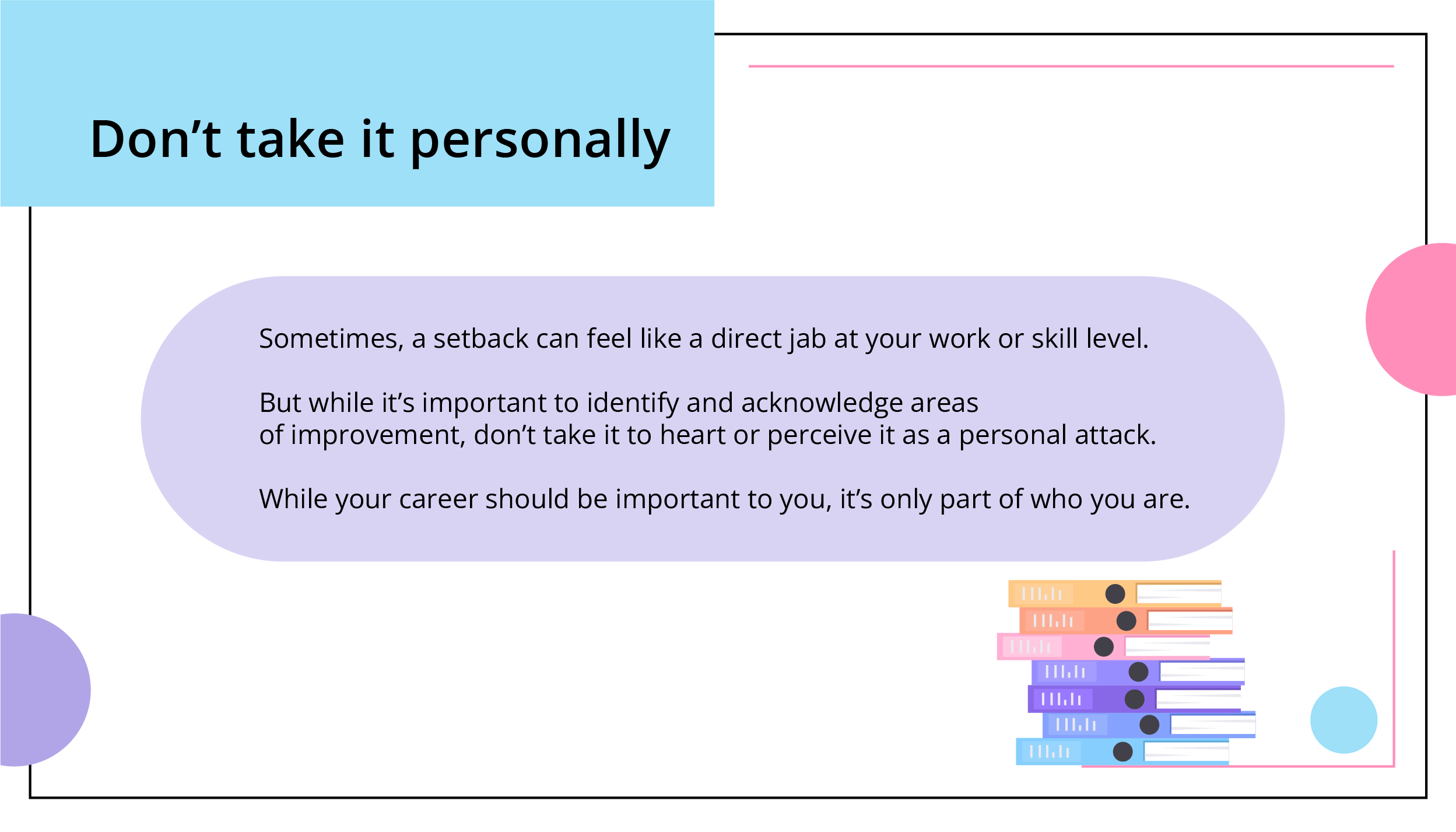
But while it’s perfectly valid to feel this way, dwelling on your disappointment can quickly become toxic if you immerse yourself in it for too long, making it harder for you to move on. So don’t let it consume you; just take what you need from this experience and let go of the rest.
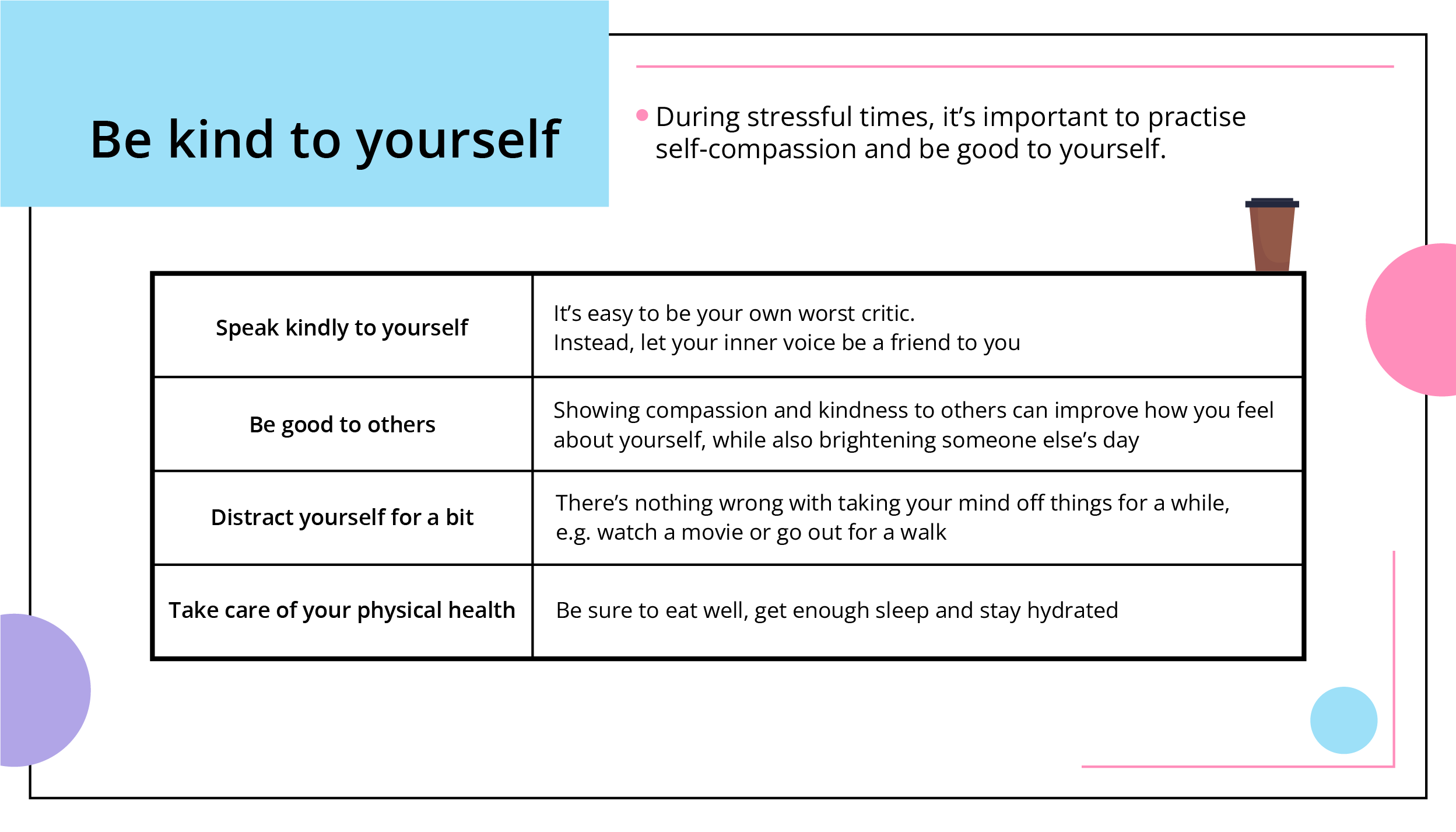
While these tips are focused on helping you feel better, do note that this is just the tip of the iceberg –the next step is to consider your following course of action. Whether it’s approaching your supervisor to discuss your career progression or fine-tuning your interview skills to nail your next job opportunity, take this disappointment as a stepping stone to better yourself.
Remember that life is full of ups and downs, and your career is no exception. But the sooner you’re able to process it in a healthy manner, the easier it’ll be for you to accept it and move forward. By the time you come out from the other side, you’ll find that despite the pain, you’ll become a stronger and more resilient person than before.